Existing scholarly literature on music hall has focused on its cultural and historical importance as a music genre. The major contribution of this thesis is to reconsider music hall as popular performance. The thesis has two main aims. The first aim is to reassess music hall by examining its performative aspects and the performance of music hall in local contexts. The second aim is to consider the implications and relevance of this reassessment for the study, understanding and teaching of music hall. With these aims in mind the thesis addresses the following questions: How was music hall performed? How was the performance of music hall shaped and informed by specific local contexts? How might an examination of the performative and local aspects of music hall help further understanding and teaching of music hall, and what bearing would this have on its contemporary relevance?
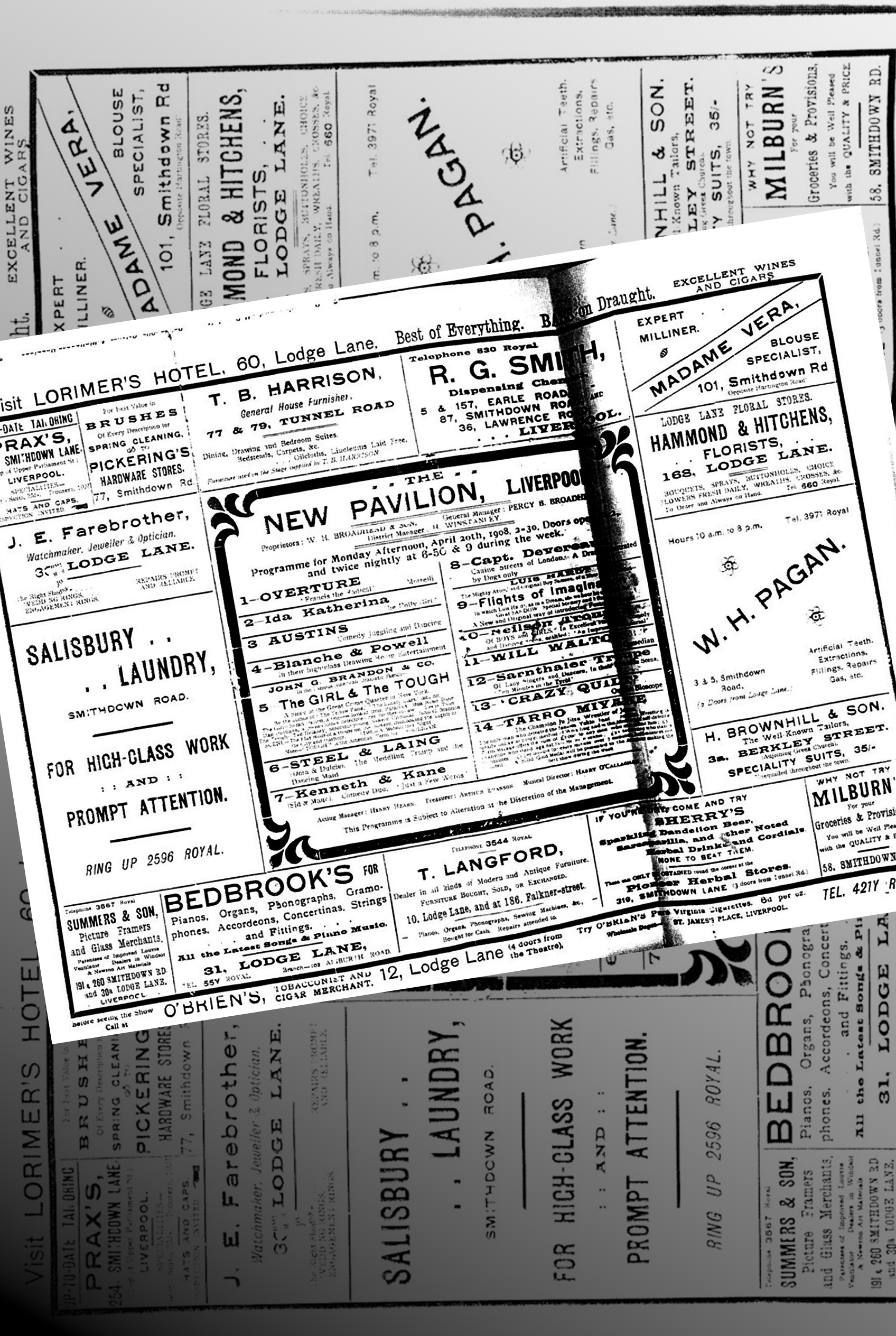
These questions call for an interdisciplinary approach and a mix of research methods. As a result the thesis draws on research methodologies from the disciplines of performance theory and popular music studies and on representative examples of the music hall genre. The latter approach focuses on the development of music hall in Liverpool in the nineteenth century with specific reference to the Pavilion on Lodge Lane. Such an approach depends upon archival research involving the investigation of primary artefacts relating to music hall held mainly in the Central Library in Liverpool, and archive which has hitherto remained largely unexplored. Using textual analysis and techniques employed in cultural materialism the thesis contextualises these primary artefacts within the larger frame of performance studies. In addition to this the thesis draws upon practice-led research, my personal experience and professional theatrical/performance expertise to consider the pedagogical implications and contemporary relevance of research on music hall.
In order to develop this argument the first part of the thesis outlines how music hall has up until now been studied and defined, whilst the second part discusses music hall as an example of popular performance. The third part of the thesis investigates how music hall might be best explored within a local context and in relation to the everyday life of its participants. Focusing on music hall in Liverpool, it draws on local concerns and particular developments of music hall as a regional form. The fourth and final part of the thesis draws upon practice-led research and my own experience of teaching popular performance to argue that popular performance is best explored in practice.
Continue Exploring
Explore Ellen's other books and the Project Kindness community project.